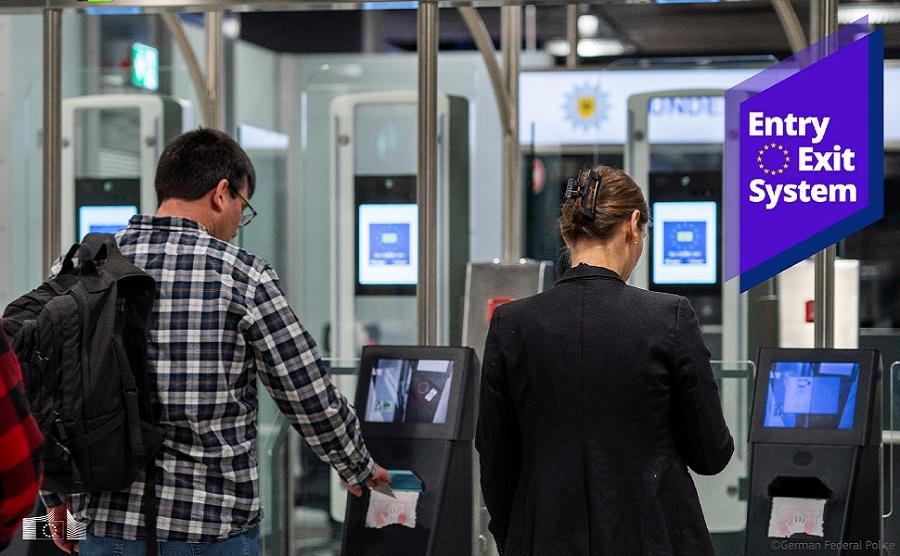
The new EU Entry Exit System launches October 12, 2025, fundamentally changing how UK nationals and non-EU travelers cross European borders. This digital revolution replaces traditional passport stamping with biometric registration, creating automated tracking of entries and exits across 30 European countries. For UK property buyers, seasonal residents, and frequent European travelers, understanding the new EU Entry Exit System becomes essential for planning property viewing trips, managing existing investments, and navigating post-Brexit travel requirements effectively.
The new EU Entry Exit System (EES) represents the most significant border control modernization in European history, digitizing the entire entry and exit process for non-EU nationals visiting Schengen Area countries. Unlike the current manual passport stamping system, the new EU Entry Exit System captures biometric data including fingerprints and facial recognition photos, automatically recording when travelers enter and leave participating European countries.
This sophisticated digital infrastructure tracks the 90-day visa-free period allowed for UK nationals and other third-country citizens, eliminating the guesswork and manual calculations that have plagued travelers since Brexit. The new EU Entry Exit System stores biometric data for three years, allowing returning visitors to use expedited lanes after initial registration.
The system addresses growing security concerns while streamlining legitimate travel, replacing error-prone manual processes with precise digital tracking. For property buyers who frequently travel between the UK and their European investments, the new EU Entry Exit System provides clear documentation of compliance with post-Brexit residence rules.
European authorities expect the new EU Entry Exit System to process over 400 million annual border crossings more efficiently while providing enhanced security screening capabilities. The automated nature eliminates human error in passport stamping and provides real-time data on traveler movements across participating countries.
The new EU Entry Exit System will operate across 30 European countries, covering the entire Schengen Area plus additional nations that have opted into the digital border framework. This comprehensive coverage includes all major property investment destinations where UK buyers typically purchase real estate.
Schengen Area Countries: Austria, Belgium, Czech Republic, Denmark, Estonia, Finland, Frankrijk, Duitsland, Greece, Hungary, Iceland, Italië, Latvia, Liechtenstein, Lithuania, Luxembourg, Malta, Netherlands, Norway, Poland, Portugal, Slovakia, Slovenia, Spanje, Sweden, and Switzerland all participate in the new EU Entry Exit System from launch.
Additional Participating Countries: Bulgaria, Croatia, Cyprus, and Romania will implement the new EU Entry Exit System alongside Schengen integration, expanding coverage to nearly all EU member states.
Notable Exclusions: Ireland maintains its separate Common Travel Area with the UK and will not participate in the new EU Entry Exit System initially. This means UK property buyers visiting Ireland continue using current border procedures without biometric registration requirements.
The phased rollout begins October 12, 2025, with major airports and ferry terminals implementing the new EU Entry Exit System first, followed by smaller border crossings over the subsequent six months. Popular property destinations like Spain’s Costa del Sol airports, Portugal’s Lisbon and Porto, and Italy’s Rome and Milan expect full implementation within the first month.
The new EU Entry Exit System operates through a straightforward but thorough registration process that differs significantly from current passport control procedures. Understanding this process helps property buyers prepare for longer initial border crossings while appreciating the streamlined experience for subsequent visits.
First-Time Registration Process: Upon arriving at any participating country’s border, travelers encounter dedicated new EU Entry Exit System kiosks or enhanced border control desks. Officers scan passport information, capture a digital photograph, and record fingerprints from all ten fingers. This biometric data links to the passport number and remains in the system for three years.
Subsequent Visit Experience: Returning travelers use expedited processing lanes where the new EU Entry Exit System automatically matches stored biometric data with current identity, recording entry dates without lengthy manual procedures. Border officers verify identity through quick fingerprint scans rather than passport examination and stamping.
90-Day Tracking Automation: The new EU Entry Exit System automatically calculates remaining days in any 180-day period, displaying this information to both travelers and border officials. This eliminates confusion about legal residence periods that has affected many UK property owners since Brexit.
Data Integration Across Countries: Moving between participating countries triggers automatic notifications within the new EU Entry Exit System, ensuring accurate tracking regardless of entry or exit points. Property owners traveling from their Spanish home to French or Italian destinations benefit from seamless inter-country movement recording.
Mobile App Integration: The European Commission is developing companion mobile applications allowing travelers to monitor their own entry/exit history and remaining legal days, though this feature launches after the main new EU Entry Exit System implementation.
Border processing time for first-time registrations averages 7-10 minutes per traveler initially, though this decreases as systems optimize and travelers become familiar with procedures. Returning visitors typically process through the new EU Entry Exit System in under two minutes.
The new EU Entry Exit System creates specific implications for UK property buyers who frequently travel to European investments, vacation homes, or potential purchase destinations. Understanding these impacts helps property owners plan travel schedules and comply with post-Brexit residence restrictions effectively.
Property Viewing Trip Planning: UK buyers planning property viewing trips across multiple European countries benefit from the new EU Entry Exit System’s integrated tracking, ensuring accurate documentation of time spent in different regions. This becomes particularly valuable when comparing properties in Spain, Portugal, and Italy during extended buying expeditions.
Seasonal Residence Management: Many UK property buyers maintain seasonal residences in Europe, spending close to the maximum 90 days allowed in any 180-day period. The new EU Entry Exit System provides precise tracking of these periods, eliminating the risk of accidental overstays that could impact future travel or property ownership rights.
Frequent Traveler Benefits: After initial registration, property owners visiting their European investments experience faster border processing through the new EU Entry Exit System’s expedited lanes. This particularly benefits those managing rental properties or conducting regular property maintenance visits.
Legal Compliance Assurance: The automated tracking inherent in the new EU Entry Exit System removes uncertainty about compliance with post-Brexit residence rules. Property buyers can confidently plan visits knowing their exact legal status and remaining allowable days.
Investment Property Management: UK investors with multiple European properties benefit from clear documentation of time spent in different countries, crucial for tax planning and residence determination. The new EU Entry Exit System maintains comprehensive records that satisfy both UK and European reporting requirements.
Property insurance and management companies increasingly require proof of compliance with residence rules, making the new EU Entry Exit System’s automated documentation valuable for maintaining coverage and service agreements.
Successfully navigating the new EU Entry Exit System registration requires preparation and understanding of required documentation and procedures. Property buyers can minimize delays and ensure smooth processing by following established protocols.
Required Documentation: Travelers must present valid passports with at least six months remaining validity. The new EU Entry Exit System cannot process emergency travel documents or temporary passports, so property buyers should ensure passport renewals before travel. Additional documentation like property ownership papers or investment evidence isn’t required for the new EU Entry Exit System registration but may support immigration queries.
Biometric Data Collection: The registration process captures high-quality digital photographs meeting international standards and fingerprints from all ten fingers. Travelers with bandaged fingers or temporary injuries may experience longer processing while officers verify identity through alternative means within the new EU Entry Exit System.
Pre-Registration Options: While not mandatory, some airports will offer mobile app pre-registration allowing travelers to submit basic information before arrival. This reduces border processing time though biometric collection still occurs at the border within the new EU Entry Exit System framework.
Special Circumstances: Travelers with diplomatic passports, EU residence permits, or certain professional exemptions may use different procedures. Property buyers should verify their status with relevant embassies if holding multiple passports or residence documents that might affect new EU Entry Exit System processing.
Group Travel Considerations: Families or property investment groups traveling together process individually through the new EU Entry Exit System, though dedicated family lanes may be available at major airports to keep groups together during registration.
Border officials provide multilingual support during new EU Entry Exit System registration, with English widely available at major entry points frequented by UK property buyers.
The new EU Entry Exit System implementation will initially increase border processing times as travelers complete first-time registration and border officials adapt to new procedures. Property buyers should plan accordingly, especially during peak travel periods.
Initial Implementation Period: October 2025 through March 2026 expects the longest wait times as the new EU Entry Exit System processes millions of first-time registrations. Major airports anticipate 30-60 minute delays during peak hours, with property buyers advised to arrive earlier than normal for connecting flights or appointments.
Peak Travel Considerations: Summer 2026 represents the first major test of the new EU Entry Exit System during peak European travel season. Property buyers planning viewing trips or visiting investments during July-August should expect continued delays, though much reduced from initial implementation.
Airport vs. Alternative Crossings: Major airports typically implement the new EU Entry Exit System most efficiently due to infrastructure investment and staff training. Property buyers crossing via ferry terminals or smaller airports may experience longer delays as these facilities adapt to new procedures.
Expedited Processing Development: By mid-2026, the new EU Entry Exit System should achieve target processing times of under two minutes for returning travelers. Property owners making regular trips to European investments will benefit significantly from this streamlined experience.
Strategic Travel Planning: Property buyers can minimize delays by traveling during off-peak hours, avoiding major holiday periods during the initial implementation phase, and using major airports with the most advanced new EU Entry Exit System infrastructure.
Real-time waiting time information will become available through airport apps and websites as the new EU Entry Exit System matures, allowing property buyers to plan arrivals more precisely.
Will the new EU Entry Exit System affect my existing property ownership in Europe? Property ownership rights remain unchanged by the new EU Entry Exit System. The system only tracks travel compliance with post-Brexit residence rules, ensuring you don’t exceed the 90-day limit in any 180-day period. Your property investment and ownership status are completely separate from border control procedures.
How does the new EU Entry Exit System handle connecting flights through Europe? Transit passengers remaining in international zones typically don’t register with the new EU Entry Exit System unless entering the Schengen Area. Echter, if your connection requires passing through immigration to reach your next flight, full registration applies. Property buyers should verify specific airport procedures when booking connecting flights.
Can I use the new EU Entry Exit System if I have EU residency through my property purchase? Travelers holding valid EU residence permits generally don’t use the new EU Entry Exit System, instead using EU/EEA citizen lanes. Echter, residence permit validity affects this exemption. Property buyers should verify their residence status and permit validity before travel to avoid processing delays.
What happens if the new EU Entry Exit System technology fails during my visit? Border officials maintain manual backup procedures for system failures, though processing takes longer. The new EU Entry Exit System includes redundancy measures to minimize disruptions, but property buyers should allow extra time during the initial implementation period when technical issues are most likely.
How does the new EU Entry Exit System affect day trips to my European property? Even brief visits register in the new EU Entry Exit System, counting toward your 90-day allowance. Property owners making frequent day trips for maintenance or rental management should monitor their accumulated time carefully. The system’s precise tracking actually helps ensure compliance with residence rules.
Will my personal data be secure in the new EU Entry Exit System? The system employs bank-level encryption and follows strict EU data protection regulations. Biometric data remains in the system for three years then automatic deletion occurs. Property buyers can request data access or correction through standard EU privacy procedures.
The new EU Entry Exit System represents a fundamental shift in European travel that UK property buyers must understand and prepare for as they navigate post-Brexit investment opportunities. While initial implementation brings longer border processing times and new procedures, the long-term benefits include streamlined travel for frequent visitors and precise compliance tracking for residence rules.
Property buyers investing in Spanish coastal developments, Portuguese urban regeneration projects, or Italian countryside retreats will find the EES provides clearer documentation of their travel patterns and legal compliance. This automated tracking removes uncertainty about residence rules while supporting legitimate property investment and ownership activities.
Success with the system requires preparation: ensuring passport validity, understanding biometric registration procedures, and planning for initial delays during the implementation period. Property buyers who adapt quickly to these changes will benefit from expedited processing on subsequent visits to their European investments.
As European property markets continue attracting UK investment despite Brexit challenges, the EES becomes another factor in successful cross-border property ownership. Explore our comprehensive collection of European properties for sale to discover investment opportunities across all participating countries, and consider our specialized travel and legal guidance services to navigate the new border requirements effectively.
The digital transformation of European borders aligns with broader modernization efforts across property markets, legal systems, and investment frameworks. UK property buyers who embrace these changes position themselves advantageously in the evolving European real estate landscape.
Official Government and EU Sources:
Industry and Travel Information:
Consumer and Legal Guidance:











Geen resultaten beschikbaar