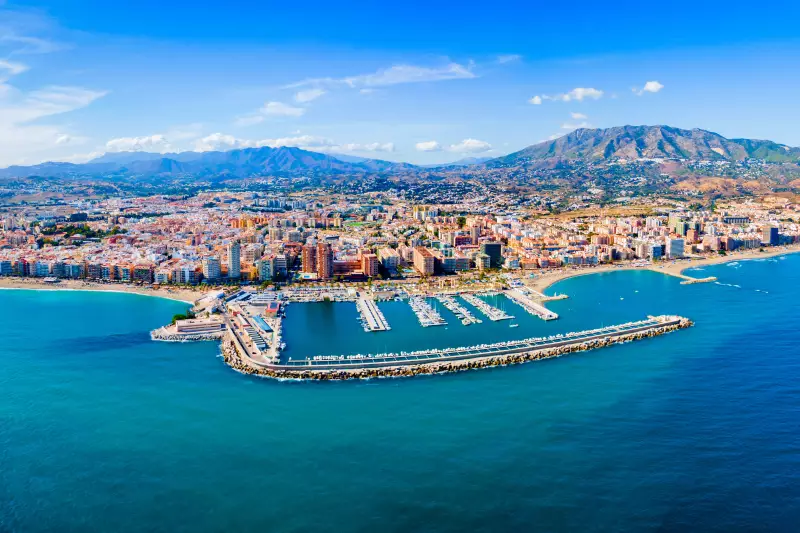
This Costa del Sol living guide reveals what overseas buyers need to know about Europe’s sunshine capital. The Costa del Sol isn’t just Spain’s most famous coastline—it’s become Europe’s ultimate year-round lifestyle destination for overseas property buyers. Avec 320 days of annual sunshine, thriving expat communities, and a property market that grew 13% dans 2024, understanding what Costa del Sol living actually looks like is essential for anyone considering this Spanish coastal move.
The numbers tell a compelling story. Foreign investment in Costa del Sol property reached record levels in 2024, with average prices climbing to €3,842 per square metre—a 13.8% annual increase. But statistics alone don’t explain why buyers from Germany, the UK, Scandinavia, and beyond continue choosing this 160-kilometre stretch of Andalusian coastline.
The real draw combines tangible lifestyle benefits with solid investment fundamentals. British, Allemand, Dutch, and Scandinavian buyers now represent the majority of international purchasers, attracted by the region’s unique blend of authentic Spanish culture and international infrastructure.
Understanding Costa del Sol living means appreciating one of Europe’s most enviable climates. The region delivers over 320 days of sunshine annually—more than 3,000 hours per year—making it one of the continent’s sunniest destinations.
Summer temperatures average 28-32°C from June through September, perfect for beach life and outdoor dining. What sets the Costa del Sol apart is its exceptional winter climate: temperatures rarely drop below 10°C, with average winter highs around 14-17°C. December through February still offer 5-7 hours of daily sunshine, enabling year-round golf, hiking, and outdoor activities that would be impossible in Northern Europe.
The Mediterranean Sea moderates temperatures, while the Sierra mountains behind the coast provide shelter from harsh winds. This microclimate creates the perfect conditions for everything from tropical fruit cultivation to comfortable outdoor living twelve months a year.
The Costa del Sol coastline offers something for every preference. From Nerja’s dramatic cliffs and coves in the east to Estepona’s golden beaches in the west, you’ll find over 160 kilometres of diverse Mediterranean shoreline.
Popular beach destinations include Marbella’s glamorous beach clubs, Fuengirola’s family-friendly shores, and Benalmádena’s award-winning Blue Flag beaches. Water temperatures reach 23-25°C in summer, remaining swimmable well into October.
Beyond the beaches, the region surprises with natural diversity. The Sierra de las Nieves mountains provide hiking trails with Mediterranean and mountain scenery, while protected areas like the Cabo de Gata Natural Park offer pristine, undeveloped coastline. On clear days, you can even glimpse Africa’s Atlas Mountains across the Strait of Gibraltar.
Despite its international population, the Costa del Sol maintains strong Spanish cultural roots. Málaga city has transformed into Andalusia’s cultural capital, offering world-class museums including the Picasso Museum and Centre Pompidou Málaga, alongside traditional tapas bars and historic architecture.
The region celebrates traditional Spanish festivals year-round. Semana Santa (Holy Week) processions in Málaga attract worldwide attention, while August’s Feria de Málaga brings flamenco, traditional dress, and local food traditions to the streets. Even smaller towns maintain authentic Spanish fiestas, markets, and daily rhythms.
Málaga’s reputation as Spain’s “Silicon Valley” reflects its modern evolution—Google established its cybersecurity hub here—yet the city balances innovation with preserved medieval quarters, historic fortresses like the Alcazaba, and authentic Spanish neighbourhood life.
The Costa del Sol’s culinary landscape combines traditional Andalusian cuisine with international dining options. Local specialties include pescaíto frito (fried fish), gazpacho, and espetos (sardines grilled on beach fires).
Dining remains remarkably affordable. The traditional menú del día offers three-course lunches for €10-15, while casual restaurants charge €10-15 per person for quality meals. Mid-range three-course dinners for two typically cost €60-100. Málaga province now boasts several Michelin-starred restaurants, yet maintains its accessible dining culture.
Fresh produce markets operate daily in most towns, offering locally-grown fruits, vegetables, and seafood at prices significantly below Northern European standards. The Costa del Sol’s position as Europe’s only subtropical coastline means avocados, mangoes, and tropical fruits grow locally—a unique European advantage.
Spain’s healthcare system ranks among Europe’s best, and the Costa del Sol offers exceptional medical facilities. The region features both comprehensive public healthcare for residents and excellent private healthcare options.
Legal residents contributing to Spanish social security access free public healthcare, covering hospital care, specialists, and prescriptions. Cependant, many expats choose supplementary private insurance (€50-150 monthly) for faster appointments, broader choice of specialists, and English-speaking doctors.
Private providers including Sanitas, AXA, and Allianz maintain extensive networks across the Costa del Sol. Major hospitals in Málaga and Marbella offer world-class facilities, while smaller towns feature walk-in clinics for minor health concerns. Many healthcare professionals speak English, particularly in private facilities serving the international community.
This Costa del Sol living guide provides actual costs, not vague estimates. The Costa del Sol offers 20-30% lower living costs compared to Northern Europe, though prices vary significantly by location. Here’s what daily life actually costs:
Housing (Purchase Prices per sqm):
Monthly Expenses (single person):
Dans l'ensemble: Monthly living expenses for a single person total €540-940 (excluding housing). Couples should budget approximately €800-1,400 monthly for shared living expenses. This represents significant savings compared to UK, Allemand, or Scandinavian living costs while maintaining or improving quality of life.
The Costa del Sol caters exceptionally well to international families. British, International Baccalaureate, and other curriculum schools dot the coastline, particularly between Málaga and Estepona.
Popular international schools include Aloha College Marbella, Laude San Pedro International College, and The British School of Málaga. Annual fees typically range €8,000-15,000, competitive with international schools elsewhere in Europe. Many schools offer bilingual Spanish-English programmes, helping children integrate while maintaining their home country curriculum.
Family-friendly amenities abound: beaches with calm waters and facilities, numerous parks and playgrounds, attractions like Bioparc Zoo and Sealife Aquarium, and year-round outdoor activities. The safe, relaxed Mediterranean lifestyle appeals strongly to families seeking work-life balance and outdoor living.
Málaga-Costa del Sol Airport provides the region’s international gateway, serving over 20 million passengers annually with direct flights throughout Europe and beyond. The airport sits within 30 minutes of most Costa del Sol locations, making weekend trips home and visiting family effortlessly manageable.
High-speed AVE trains connect Málaga to Madrid in 2.5 heures, Barcelona in 6 heures, and Seville in 2 heures. Local train networks link coastal towns efficiently, while extensive bus services reach inland villages and mountain areas.
Modern infrastructure includes fibre-optic internet enabling remote work, comprehensive healthcare networks, and excellent road systems. The Costa del Sol has fully embraced digital nomadism, with Spain’s new digital nomad visa (launched late 2024) specifically targeting remote workers seeking Mediterranean lifestyle combined with European connectivity.
Costa del Sol living means joining one of Europe’s largest and most established expat communities. The Costa del Sol hosts approximately 23% international population in Málaga, with even higher percentages in towns like Marbella, Fuengirola, and Estepona.
This creates both advantages and challenges. Integration into Spanish society requires effort—learning Spanish is essential for daily life, navigating bureaucracy, and building genuine local connections. Cependant, the large international community provides immediate social networks, English-language services, and familiar comforts during the transition period.
British expats dominate historically, but German, Scandinavian, Dutch, and increasingly American populations create diverse international networks. Social clubs, sports groups, and cultural organizations facilitate meeting like-minded expatriates, while language schools and Spanish courses support integration efforts.
The key to successful Costa del Sol living lies in balancing international community benefits with genuine Spanish cultural engagement—those who invest in language learning and local relationships consistently report the highest satisfaction levels.
Year-round sunshine enables perpetual outdoor living. The Costa del Sol offers:
Golf: Often called Europe’s golf capital, the region boasts 70+ courses, including prestigious venues like Valderrama. Mild winters mean year-round play impossible elsewhere in Europe.
Water Sports: Sailing, kitesurfing, paddleboarding, and diving thrive in warm Mediterranean waters. Marinas dot the coastline, with prestigious facilities in Puerto Banús and Marbella.
Hiking and Cycling: Sierra de las Nieves mountains provide extensive trail networks just minutes from coastal towns. The diverse terrain suits all fitness levels, with routes offering sea and mountain views.
Cultural Activities: Málaga’s museums, theatres, and concert halls rival major European cities. Flamenco shows, art exhibitions, and cultural festivals occur year-round.
The Costa del Sol property market in 2025 shows remarkable strength. Key areas posted significant growth:
Emerging areas attracting buyer attention include Estepona (new urban renewal), Vélez-Málaga (affordable with coastal access), and Málaga’s Soho district (young, modern buyers).
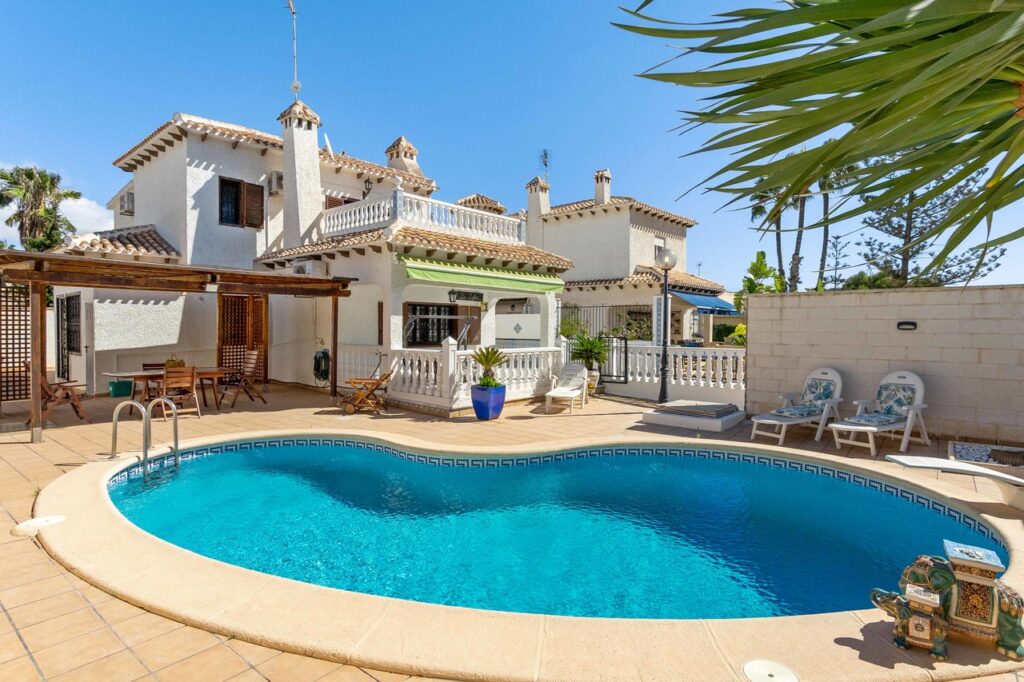
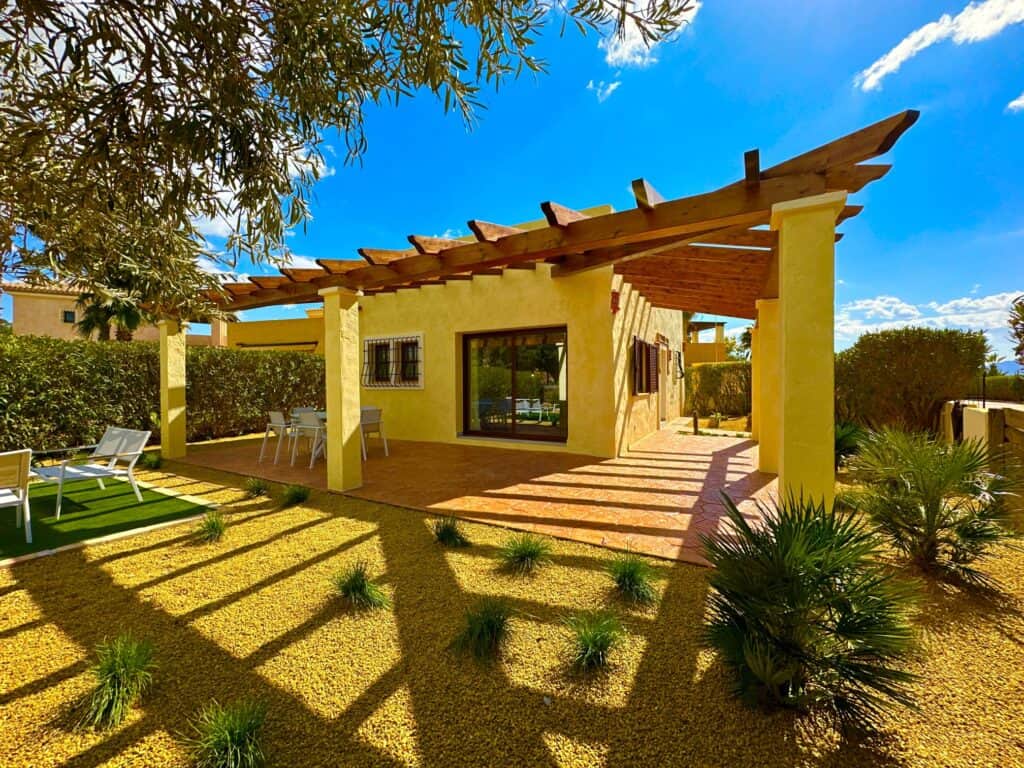
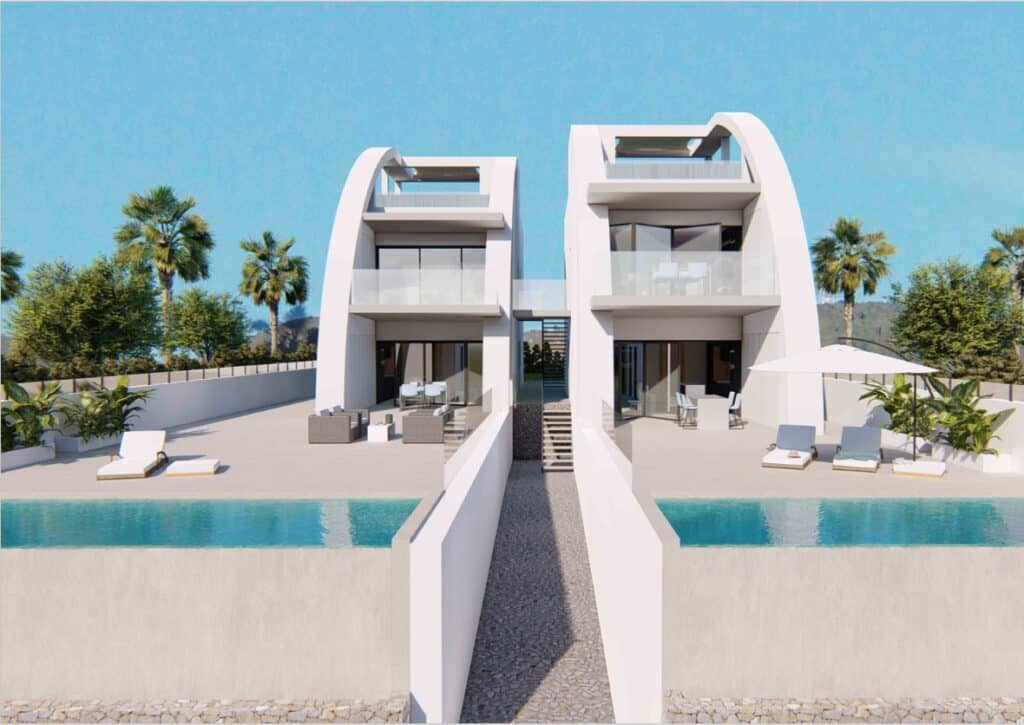
Property types range from luxury villas in Marbella’s Golden Mile (€2-10+ million) to affordable apartments in Torremolinos (€150,000-300,000). The rental market thrives, with short-term vacation rentals showing particularly strong yields, though new 2025 regulations require minimum “C” energy ratings.
Foreign buyers drove the 2024 market surge, with luxury property sales in Marbella, Estepona, and Benahavís increasing 20%. International demand shows no signs of weakening, supported by remote work trends and the region’s unmatched lifestyle proposition.
Costa del Sol living appeals to diverse buyer profiles:
Retirees: Seeking year-round sunshine, affordable living, excellent healthcare, and established expat communities. The mild climate enables active outdoor lifestyles impossible in Northern European winters.
Remote Workers and Digital Nomads: Leveraging Spain’s new digital nomad visa, drawn by Mediterranean lifestyle, reliable internet, and European time zone convenience. Málaga’s tech scene and coworking spaces cater specifically to this demographic.
Families: Attracted by international schools, safe environment, outdoor living, and work-life balance. The combination of beach proximity and mountain access creates an unparalleled childhood environment.
Investment Buyers: Recognizing strong rental yields, consistent property appreciation, and growing international demand. The Costa del Sol’s established tourism market and expanding remote work population support robust rental returns.
Bureaucracy: Spanish administrative processes require patience. Many expats hire gestorias (administrative specialists) to handle residency permits, tax registration, and official paperwork. Málaga’s international population means English-speaking professionals are readily available.
Language: While English suffices in tourist areas, Spanish fluency dramatically improves daily life quality, access to services, and integration. Language schools throughout the region offer intensive and weekly courses.
Residency Requirements: Post-Brexit UK nationals face the same requirements as other non-EU citizens. The non-lucrative visa requires proving €27,000+ annual income for individuals, €33,893 for couples, plus private health insurance. The new digital nomad visa offers an alternative route for remote workers.
Banking and Finance: Spanish banks require NIE numbers (foreign identification numbers) for account opening. International mortgage options exist for foreign buyers, nécessitant généralement 30-40% deposits.
Successful Costa del Sol living requires preparation. This Costa del Sol living guide recommends:
Costa del Sol living delivers what it promises: year-round sunshine, Mediterranean lifestyle, excellent amenities, and genuine Spanish culture within an internationally-friendly environment. This Costa del Sol living guide shows that property prices continue rising, driven by fundamental demand from overseas buyers recognizing the lifestyle value proposition.
For those seeking escape from Northern European winters, desiring active outdoor living, or pursuing work-life balance in spectacular natural surroundings, the Costa del Sol represents Europe’s most established international lifestyle destination. The combination of proven infrastructure, thriving expat communities, accessible property prices across multiple ranges, and unmatched climate creates conditions supporting successful long-term relocation.
Whether you’re planning retirement under perpetual sunshine, establishing a Mediterranean base for remote work, or creating a family life centered on outdoor adventure and cultural richness, the Costa del Sol offers the infrastructure, community, and lifestyle to make it succeed—and 2025’s strong property market suggests thousands of international buyers continue reaching the same conclusion.
Ready to explore Costa del Sol properties and lifestyle? Browse our curated selection of Costa del Sol properties for sale, connect directly with verified local estate agents, and access lawyers and surveyors experienced in supporting overseas buyers. Your Mediterranean dream is closer than you think.
Related Guides:
Sources:


Aucun résultat disponible